
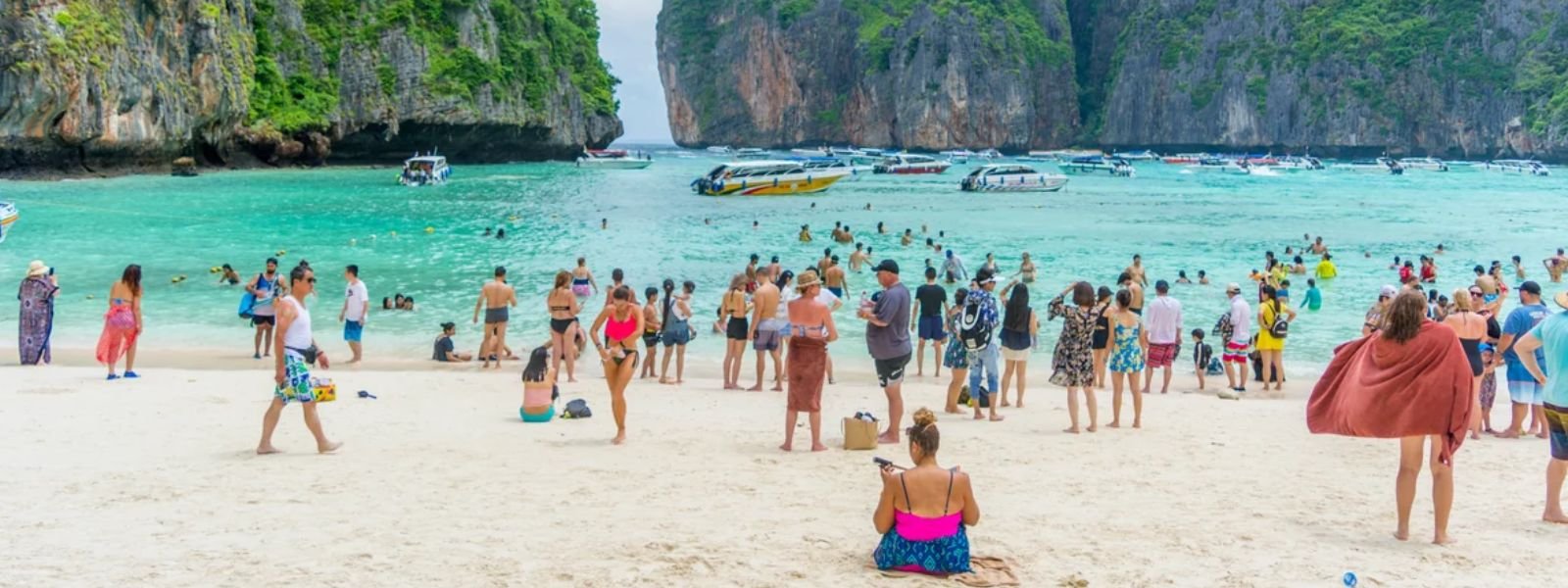
Tourism & Safety: Why Resorts Are Installing Beach Safety Booms
Tourism is no longer just about sun, sand, and luxury it’s also about safety. Resorts and hotels worldwide are recognizing that protecting guests in the water is just as important as providing comfortable accommodations on land. Increasingly, Beach Safety Booms are becoming a standard feature at tourist beaches, helping resorts prevent accidents such as drownings, jellyfish stings, and shark encounters, while boosting guest confidence and satisfaction.
Why Tourist Beach Safety Matters
Beaches attract millions of visitors annually, but even popular tourist destinations can be unpredictable. Strong currents, rip tides, marine life, and sudden weather changes pose risks that can turn a dream vacation into a tragic incident. For resorts, a single safety mishap can impact not only guest experience but also the property’s reputation.
Recent incidents around the world highlight the importance of proactive measures:
Moragalla, Sri Lanka – A 38-year-old Russian tourist drowned near a hotel. (Hiru News)
Mount Lavinia Beach, Sri Lanka – A British national tragically drowned. (Sunday Times)
Miami Beach, USA – A German tourist was swept away by strong currents and drowned. (Miami Herald)
Bondi Beach, Australia – Rip currents have caused multiple tourist rescues and occasional fatalities. (ABC News)
Jellyfish Stings and Marine Hazards
Marine life also poses hazards for tourists. Jellyfish stings can range from painful to medically serious:
Panadura, Sri Lanka – Twelve swimmers hospitalized after jellyfish stings. (The Morning)
Ambalangoda, Sri Lanka – Seven tourists stung in a single day. (IOC WESTPAC)
Hawaii, USA – Portuguese Man o’ War stings occasionally cause severe reactions. (Hawaii News Now)
Thailand – Seasonal jellyfish blooms have forced beach closures for tourist safety. (Bangkok Post)
These incidents demonstrate the need for controlled swimming zones to reduce risk.
Shark Sightings
While shark attacks are rare, sightings create concern among tourists and can affect resort business:
Pigeon Island, Trincomalee, Sri Lanka – Snorkelers reported shark sightings. (Reddit)
Western Australia – Sightings near popular beaches lead to temporary closures. (WA Today)
South Africa – Great white shark season increases patrolling to protect swimmers. (Cape Times)
Even the perception of danger can reduce tourism and discourage swimming or water activities.
Beach Safety Booms: A Modern Solution
Beach Safety Booms are floating barriers installed offshore to:
Define safe swimming zones for guests
Protect swimmers from marine hazards such as jellyfish and sharks
Demarcate areas for water sports like kayaking, jet skiing, and snorkeling
Unlike traditional shark nets, booms are eco-friendly, reusable, and wildlife-safe, ensuring that resorts maintain environmental responsibility while protecting their guests.
Benefits for Resorts
Enhanced Guest Confidence – Families and tourists feel safer with designated swimming zones.
Sustainable & Durable – Long-term investment compared to temporary barriers.
Branding & Responsibility – Resorts show commitment to guest safety and environmental stewardship.
Versatility – Can be customized for different coastlines and water activities worldwide.
Conclusion
Tourist beach accidents occur globally, from drownings and jellyfish stings to shark sightings and strong currents. Resorts that invest in Beach Safety Booms are protecting guests, reinforcing their reputation, and promoting sustainable, responsible tourism.
At WavePlus by Skytech Engineering, we supply durable and customizable Beach Safety Booms worldwide, helping resorts create safe, enjoyable, and eco-friendly beachfront experiences.